
Start here
Learn to run
the real thing.
We’re building hands-on site reliability engineering (SRE) training around realistic failures, safe recovery, and reviewed operational work.
Practice on an open-source Git platform. Build a record of how you diagnose problems, make changes, and restore service.
Global operations
Synthetic training environment · fleet, telemetry, incidents, and allocations are simulated. Hardware offers and provider names come from the September 2026 research snapshot.
Software has no shortage of tutorials. What it lacks is a place to practice the whole job: taking responsibility for a service, understanding how it fails, communicating during an incident, and leaving it healthier than you found it.
Forkalope is being built as that place. The school is the first product. The open-source forge is the training aircraft: a real system students can inspect, change, break safely, recover, and eventually help operate as Forkalope Operators.
The premise
Learn to operate, not just complete lessons.
A course can show you how DNS, queues, backups, deployments, or access controls work. The job begins when several of them fail at once, the documentation is incomplete, and somebody needs a calm answer.
That kind of judgment is learned through practice. Pilots use ground school, simulators, supervised hours, checklists, and checkrides because knowing the material is different from being responsible for the outcome. SREs and DevOps engineers deserve a training path with the same seriousness.
- Real systems, bounded risk. Work inside an environment where mistakes become lessons instead of customer emergencies.
- Repetition, not theater. Diagnose failures, restore service, review what happened, then run the drill again.
- Observed judgment. Mentors review how you investigated, communicated, changed the system, and verified recovery.
- Evidence over claims. Graduate with runbooks, incident reports, patches, and checkride results that show how you work.
Want to help test the premise? Tell us what you want to learn
First-cohort details
Raise your hand before enrollment opens.
We’re collecting a small group of people who want to train for SRE work and help shape the first version of the program. No payment is required to register interest.
Fit
For people ready to be trusted with the system.
The first program is for developers, systems administrators, support engineers, and serious self-taught builders who know some fundamentals and want structured operating experience.
You do not need years of infrastructure experience. You do need the patience to investigate, document, ask for review, and try again.
If variables, Git, command-line tools, and basic networking are all new, a foundations course should come first.
It is also not a capture-the-flag contest, an exam-cram course, or a way to disguise unpaid customer work as education. The school should reward safe reasoning and clear communication, not speed for its own sake.
The program
Ground school. Simulator. Flight hours. Checkride.
This is hands-on SRE and DevOps training. Each phase adds responsibility only after the previous one is understood. Students can repeat drills, compare approaches, and see exactly what “ready” means before moving forward.
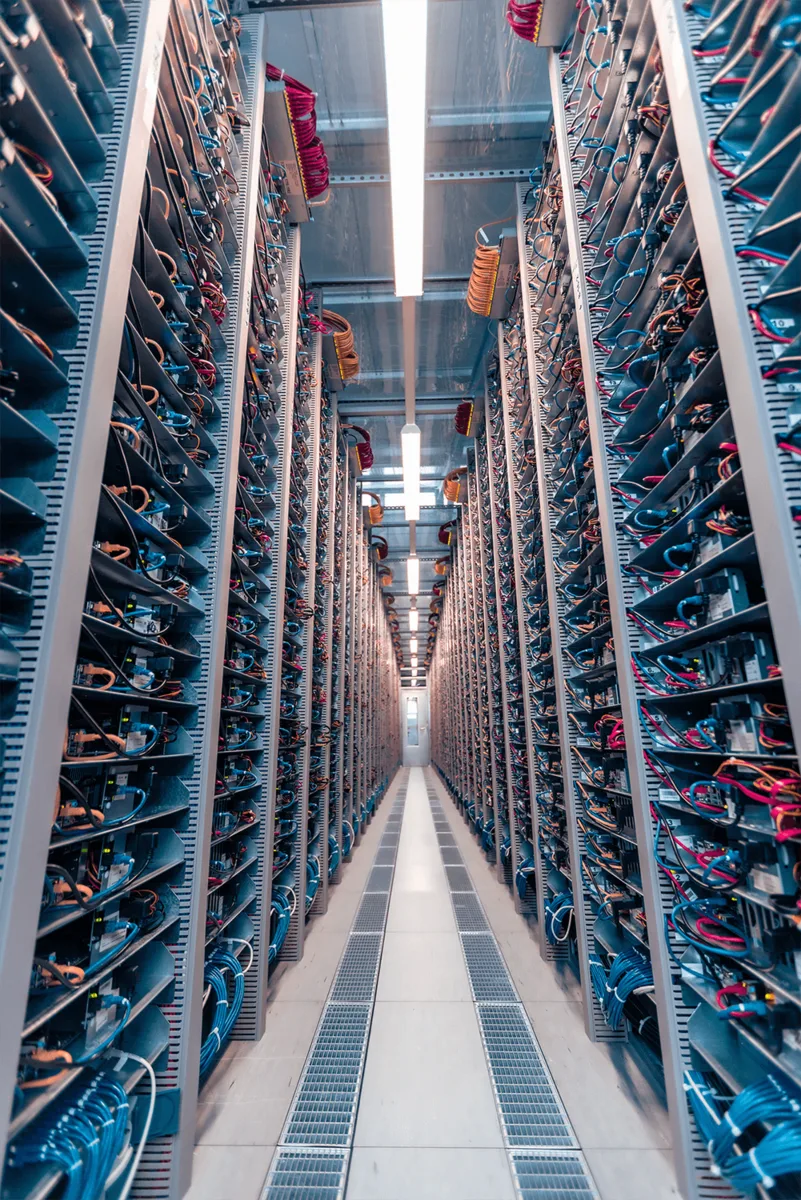
Know the metal behind the service.
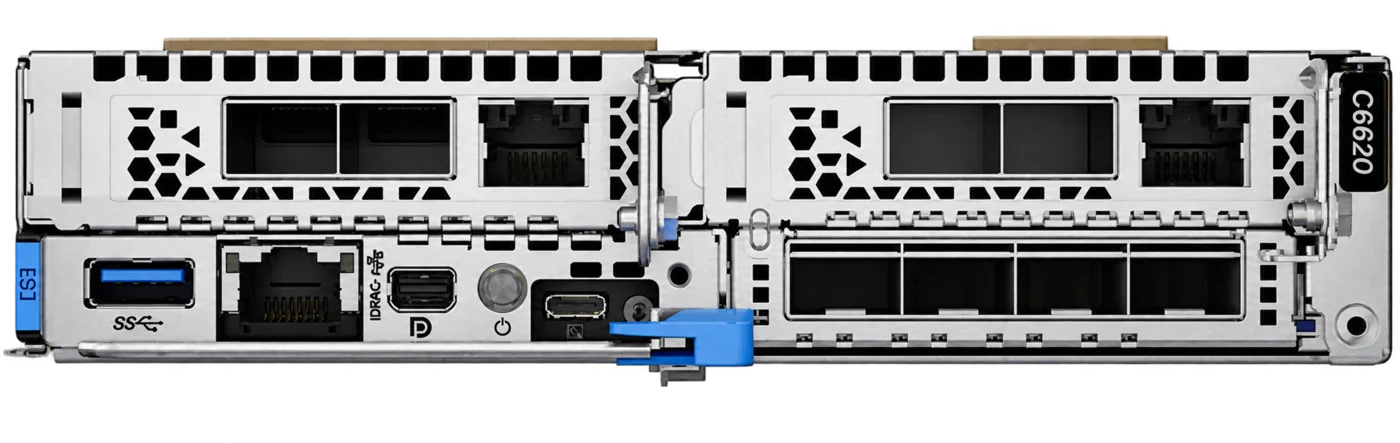
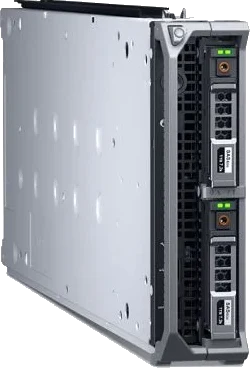
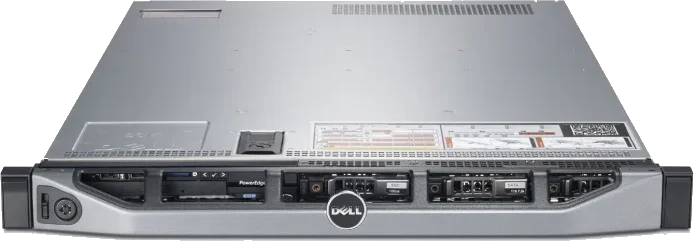
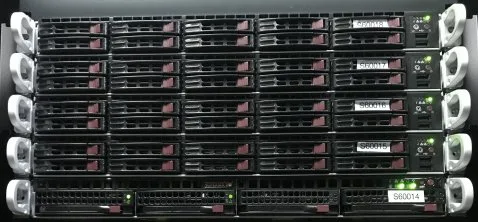
 01 · Digital PacificC6620 · regional compute16C · 64 GB · 4×480 GB SSD 02 · Digital PacificM630 · blade referenceShared chassis dependencies 03 · Digital PacificR620 · rack reference1U · hot-swap storage
 05 · InterServerArtifact storage28C · 128 GB · 2×24 TB
- 01Ground school
Short, practical instruction on systems, networks, storage, security, observability, change management, and incident response. Every concept ends in a decision you will later make in a lab.
- 02Simulator
Purpose-built scenarios introduce known failures: a bad deploy, an expired certificate, a full disk, a lost secret, a slow dependency, a broken restore. You can pause, inspect, reset, and try again.
- 03Supervised flight hours
During training, work in isolated labs and designated school training environments—not customer production—with a written plan and mentor review. After passing the practical assessment, graduates may apply for separately authorized, supervised operational roles as those opportunities become available.
- 04Checkride
Handle an unfamiliar scenario from first signal through recovery and follow-up. The standard includes technical execution, safety, communication, and the quality of the record you leave behind.
Training incident
Example drill: Git pushes have stopped working.
At 11:42 UTC, push traffic starts failing while reads remain healthy. The student takes the incident from first signal through verified recovery.
PUSH FAILURE
SEV-2 Europe affected00:18:42 ELAPSED
11:42:08 push-api  502 upstream connect error
    11:42:10 web       GET /repo/forkalope 200
    11:42:13 storage   latency p95 84ms normal
    11:42:17 edge      origin connection refused
11:42:21 runner capacity 82% · queue +41911:42:08 push-api 502 upstream connect error
11:42:10 web GET /repo/forkalope 200
11:42:13 storage latency p95 84ms (normal)
11:42:17 edge origin connection refusedWhat do you check before changing anything?
- InvestigationEvidence, working theory, and the next safe check.
- RecoveryThe smallest reversible change that restores pushes.
- RecordA timeline, customer update, verification, and prevention recommendation.
Curriculum
The work around the code.
The exact sequence will evolve with the first cohorts. These are the capabilities the school is being designed to teach and test.
Processes, filesystems, permissions, resource limits, service managers, and the path from source to a running service.
DNS, TLS, HTTP, ports, proxies, timeouts, and how to trace a request across boundaries.
Logs, metrics, traces, alerts, useful dashboards, and the difference between a symptom and a cause.
Small releases, reviews, migrations, feature flags, rollbacks, maintenance windows, and verification.
Backups, restores, replication, secrets, dependency failures, recovery objectives, and drills that prove the plan.
Triage, escalation, incident command, status updates, post-incident learning, runbooks, and customer judgment.
Evaluation
The checkride measures SRE judgment.
A working service at the end is necessary, but it is not the whole result. A lucky command is not the same as sound operation. Review is based on a published rubric.
Did you understand the blast radius, protect data, preserve a way back, and ask for help when the risk changed?
Did you separate evidence from assumptions and update the working theory as new signals appeared?
Were changes small, observable, reversible, and checked against the intended result?
Could another operator and an affected customer understand the state of the incident without translating jargon?
Did you verify recovery, document the work, and improve the system so the next response is better?
The initial program will issue a Forkalope completion record, not an accredited degree or government license. The value has to come from the quality and inspectability of the work.
Pricing principle
Founding-cohort details are still being finalized.
We’re finalizing the format, schedule, expected time commitment, instructor access, and tuition for the first cohort. Join the interest list to receive those details before enrollment opens.
Not having the offer finalized yet is intentional. We want the first students to see the complete commitment before deciding whether it is right for them.
Want the details when they’re ready? Join the private interest list
Outcomes
Qualify as a Forkalope Operator.
The goal is a compact, reviewable body of work that gives an SRE hiring manager or experienced operator something real to inspect.
- RunbooksInstructions another person can actually use under pressure.
- Incident reportsClear timelines, decisions, contributing conditions, and follow-up work.
- Reviewed changesPatches and operational improvements with plans, review, and verification.
- Drill recordScenarios attempted, feedback received, and demonstrated improvement over time.
- CheckrideA final observed exercise scored against the published operating rubric.
Completion does not guarantee a job. It should make a graduate’s readiness for SRE and DevOps work easier to judge and harder to fake.
The network
SREs train here. Forkalope Operators power the network.
Forkalope’s longer-term advantage is not a library of videos. It is a growing group of SRE-minded people trained on the same operating principles, familiar with the same systems, and able to review one another’s work.
Graduation can be the beginning of a relationship, not the end of a course. Qualified graduates may contribute to the forge, help run drills, support later students, or apply for paid customer and infrastructure work as those programs open. The training should still be worth buying even if a graduate never works for Forkalope.
Network participation and paid work are separate decisions with their own review, responsibilities, and agreements. Tuition never buys a job, production access, or customer data.
For teams
Meet SREs through work you can inspect.
Hiring for operations is difficult because the most important skills appear when context is incomplete and consequences are real. Forkalope gives teams a more useful signal than a list of tools on a résumé.
Building an operations team? Start a private conversation
Current status
Early enough to help shape it.
Forkalope is in the program-design stage. The flight-school direction is clear; the first complete curriculum, mentor roster, calendar, tuition, and enrollment terms are not yet published.
Who is building this
Founder-led, in public.
I’m Andrew Arrow, the founder of Forkalope. I’m building the open-source forge, writing the first training scenarios, and designing the operating rubric in public.
I will teach and review the initial cohort personally. If the program grows, the mentor group and operator agreements will grow with it—and those roles will be named, scoped, and published rather than implied.
The first cohort is not staffed by a hidden institution. You are talking directly to the person building the school.
Common questions
The honest version.
Is Forkalope still building a code forge?
Yes, but the forge is no longer the whole pitch. It is the open-source system students learn on and Forkalope Operators can eventually help run. The school gives the software a focused first customer and gives the future network a way to develop trusted people.
Is this SRE or DevOps training?
Primarily SRE: reliability, production systems, observability, incidents, recovery, and responsible change. DevOps is useful adjacent language because the work also touches delivery, automation, and collaboration across development and operations.
Is this a coding bootcamp?
No. The program begins after basic coding, Git, and command-line foundations. It focuses on operating software safely: diagnosis, change, recovery, security, communication, and accountability.
Will I work on real customer systems?
During training, students work in isolated labs and designated school training environments—not customer production. After passing the practical assessment, graduates may apply for separately authorized, supervised operational roles as those opportunities become available. Graduation alone does not grant production access or employment.
Does graduation guarantee paid work?
No. The goal is to create credible evidence and a path into a trusted network. Hiring, contracting, and operator access remain separate decisions.
When does the first cohort start?
The date, format, schedule, tuition, and prerequisites are still being designed. People who register interest will help shape those decisions and hear when the founding cohort is ready.